The Metro Window — What Commissioning Timing Means for Entry
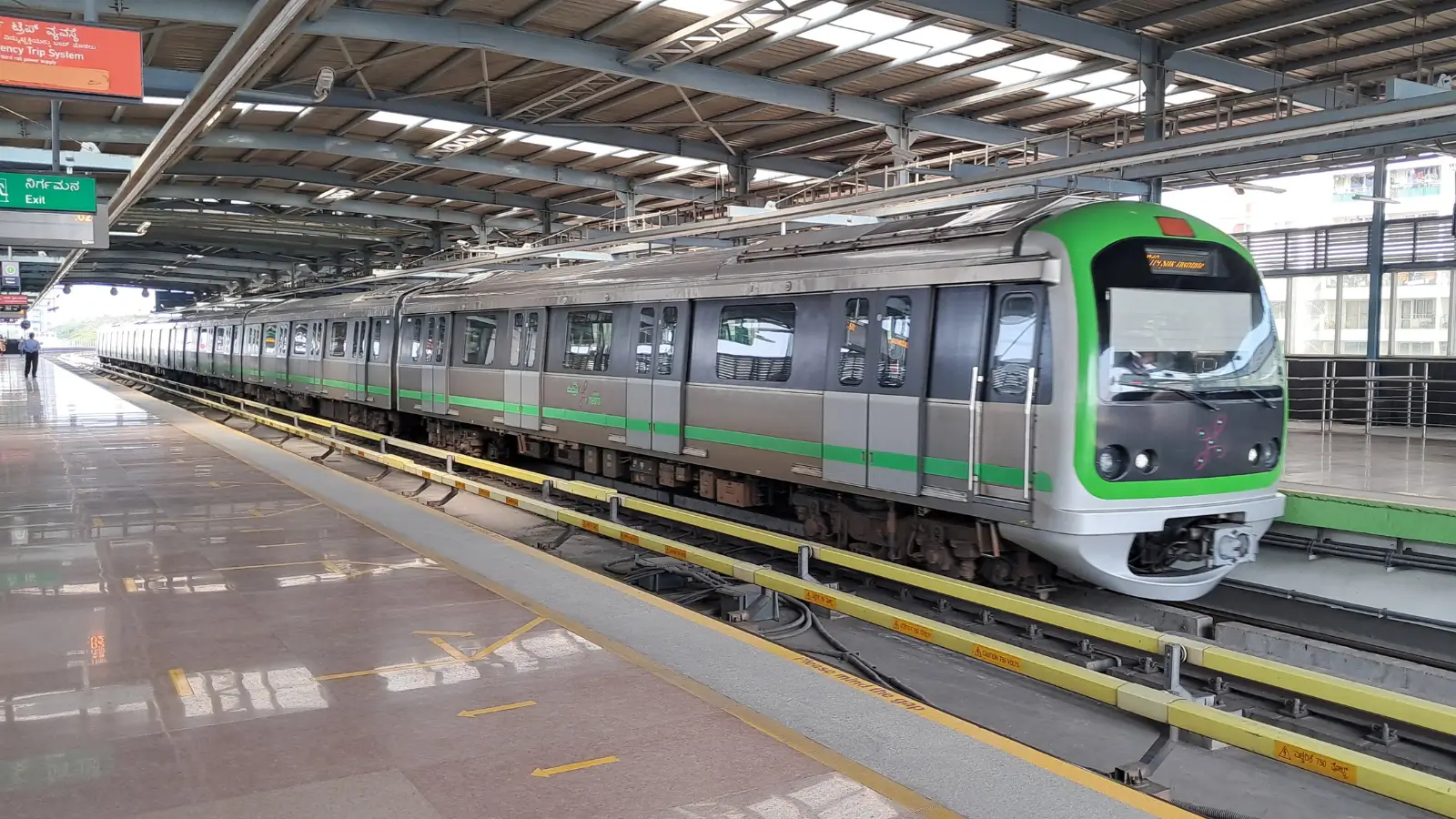
Corridors re-rate through the pre-commissioning window rather than after it, which is what makes timing an analytical question rather than a hopeful one...
Corridors historically re-rate through the pre-commissioning to post-commissioning window rather than after it. That single pattern is what turns metro timing into an analytical question rather than a hopeful one, and it is the reason entry point matters as much as address on this stretch.
The proposal here is a station at Doddajala on the Namma Metro Blue Line extension along the airport corridor, roughly 7.5 km from Tharahunise. Buyers searching for villas near Doddajala Metro Station are usually pricing the window rather than the station itself, since a 7.5 km drive changes appreciation arithmetic more than it changes daily behaviour.
Published expectations frame the range. Corridor appreciation outlook runs 8 to 12 per cent annually in base conditions and 12 to 15 per cent through the commissioning period, with the cumulative pre-metro to post-metro effect widely projected between 25 and 45 per cent depending on micro-market. Those are projections rather than commitments, and they should be tested rather than adopted.
Slippage is the counterweight and it deserves equal weight. Metro commissioning timelines in this city have slipped more often than they have held, and a station described as proposed is not a station under construction. Any case underwritten primarily on rail should be modelled against a delayed date, with the buyer comfortable holding if the line arrives years later than indicated.
Construction horizon interacts with this in a way that happens to be favourable. Handover at Embassy Riverine is indicated in phases from 2030, so capital commits across a window during which the metro question should resolve one way or the other. A buyer entering at pre-launch is not choosing between rail and no rail; they are holding through the period in which the answer emerges.
Two disciplines make this practical. Separate what the address delivers today from what it might deliver later, and confirm the case works on the first alone. Direct NH 44 frontage, an airport at roughly 15 km, employment within 20 km and four school curricula within 12 km all exist now. Treat rail as upside. An Embassy Riverine Villas investment, or any luxury villa investment near Bangalore Airport, that only works with the metro is an investment resting on somebody else's schedule.
Related reading: the Embassy Riverine price guide.
FAQs
Why does entry timing matter with the metro?
Corridors historically re-rate through the pre-commissioning to post-commissioning window rather than after it, so the differential accrues to buyers who enter before the line is running.What appreciation is projected around commissioning?
Outlook runs 8 to 12 per cent annually in base conditions and 12 to 15 per cent through the commissioning period, with the cumulative pre-metro to post-metro effect widely projected at 25 to 45 per cent by micro-market. These are projections, not commitments.What if the metro is delayed?
Model the case against a delayed date and be comfortable holding. Confirm the address works on what exists today: NH 44 frontage, an airport at roughly 15 km, employment within 20 km and four school curricula within 12 km.
Related Articles
Embassy Riverine Villas vs MAIA The Seven: Which Bengaluru Suits You?
Embassy Riverine Villas vs MAIA The Seven: compare North and South Bengaluru luxury homes on location, size, price, density, approvals and possession.
Embassy Riverine Villas vs Century Immencity: Villa Land or Vertical Living?
Compare Embassy Riverine Villas vs Century Immencity on price, density, size, location, airport access, RERA status and possession.
Embassy Riverine Villas vs MAIA Mansion: Villa Enclave or Bespoke Mansion?
Embassy Riverine Villas vs MAIA Mansion: compare two North Bengaluru luxury communities on scale, density, home sizes, pricing, customisation and documentation.
Embassy Riverine Villas vs Embassy Greenshore: Villa Enclave or Lakefront Tower?
Embassy Riverine Villas vs Embassy Greenshore: compare two Embassy township projects on villa versus apartment living, pricing, density, location, RERA and possession.