Villa Against Apartment at the Same Ticket Size — An Honest Comparison
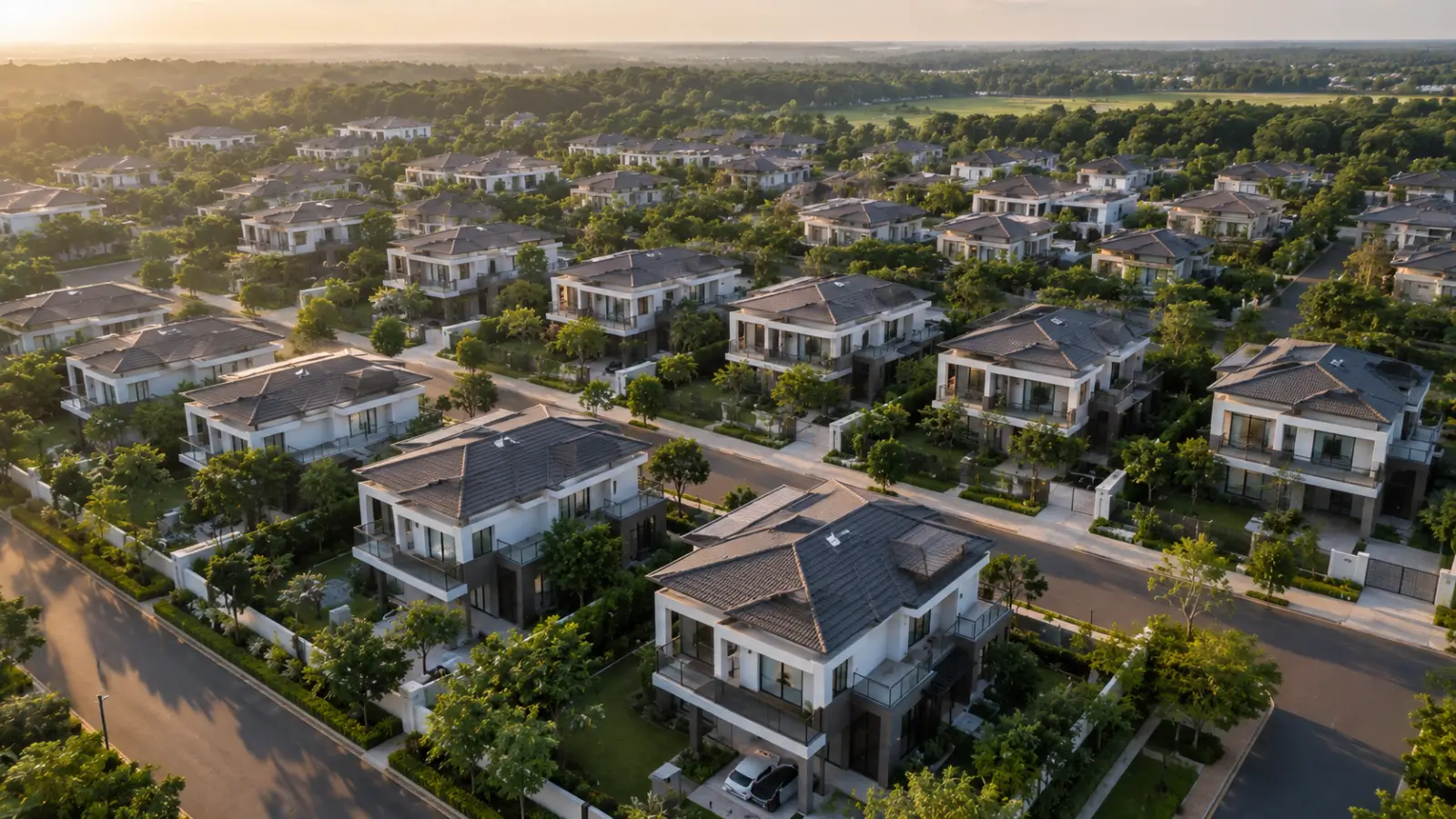
At this price point the choice is genuinely open, and the right answer depends on facts about your household rather than on which format is superior...
At this price point the choice between a villa and a luxury apartment is genuinely open, and neither format is superior in the abstract. What decides it are facts about your household: how many generations live together, how much outdoor space you will actually use, how much maintenance responsibility you want, and how quickly you might need to sell.
Land is the structural difference. Buying a villa means buying the plot underneath it, and land appreciates while structure depreciates. An apartment buyer holds an undivided share of common land instead, which behaves differently over a long hold. Ultra luxury villas in Bangalore therefore hold a different asset mix from apartments at the same price, even where the built-up area is comparable.
Daily experience diverges in ways that only show up after moving. No shared walls means neighbouring renovation and noise stop being your concern. Villas with private garden Bangalore households get outdoor space answerable to nobody's booking calendar. Separation between living and sleeping happens vertically and naturally rather than through partitioning. Embassy Riverine Villas car parking runs to three, four or six bays by format, against the one or two an apartment typically allocates.
Apartments answer back on several fronts, and honestly. Maintenance responsibility sits with a management company rather than with you, so a leaking roof is somebody else's problem. Lock-and-leave travel is simpler. Security is more concentrated. Per-household running costs often spread across more units. And resale liquidity is materially better, because the qualified buyer pool at a given price is far larger.
Time horizon should drive the decision more than preference does. A household expecting to move within five years is usually better served by the format that sells faster, since villa exits run in quarters rather than weeks. A household planning fifteen to thirty years, particularly one with three generations or a permanent home office, tends to find the villa format compounds in usefulness across that period.
Two tests worth applying before deciding. Count how many hours a week you would genuinely spend in a private garden, honestly rather than aspirationally, since that is the amenity you are paying most for. Then ask who maintains the roof, the drainage and the garden in year twelve, and whether that answer suits how you want to live.
Related reading: the Embassy Riverine floor plan guide.
FAQs
What is the core difference between the two formats?
Land. A villa buyer owns the plot underneath the home, and land appreciates while structure depreciates. An apartment buyer holds an undivided share of common land, which behaves differently over a long hold.Where do apartments genuinely win?
Maintenance responsibility sits with a management company, lock-and-leave travel is simpler, security is more concentrated, running costs spread across more households, and resale liquidity is materially better.Which suits a shorter ownership horizon?
An apartment, generally. Villa exits run in quarters rather than weeks because the qualified buyer pool is narrower, so a household expecting to move within five years is usually better served by the more liquid format.
Related Articles
Embassy Riverine Villas vs MAIA The Seven: Which Bengaluru Suits You?
Embassy Riverine Villas vs MAIA The Seven: compare North and South Bengaluru luxury homes on location, size, price, density, approvals and possession.
Embassy Riverine Villas vs Century Immencity: Villa Land or Vertical Living?
Compare Embassy Riverine Villas vs Century Immencity on price, density, size, location, airport access, RERA status and possession.
Embassy Riverine Villas vs MAIA Mansion: Villa Enclave or Bespoke Mansion?
Embassy Riverine Villas vs MAIA Mansion: compare two North Bengaluru luxury communities on scale, density, home sizes, pricing, customisation and documentation.
Embassy Riverine Villas vs Embassy Greenshore: Villa Enclave or Lakefront Tower?
Embassy Riverine Villas vs Embassy Greenshore: compare two Embassy township projects on villa versus apartment living, pricing, density, location, RERA and possession.